
Introduction
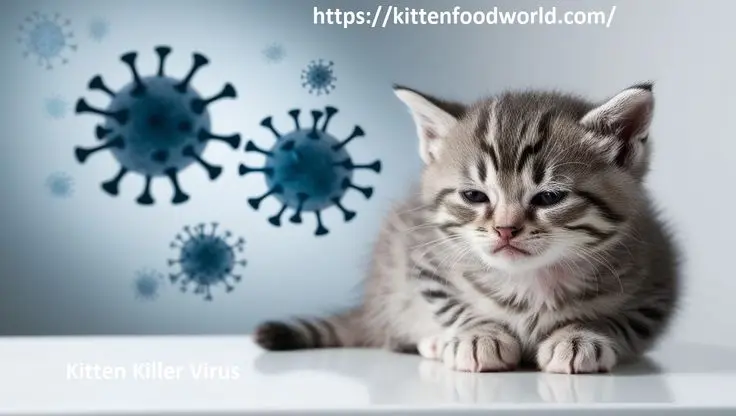
Cats are one of the most popular pets in the world because of their affectionate, playful, and independent nature. However, like all living beings, cats are also vulnerable to different health problems and infections throughout their lives. Understanding common cat diseases is very important for every pet owner because early detection can save your cat’s life and prevent serious complications. Many beginners ignore small symptoms such as loss of appetite, sneezing, or behavior changes, thinking they are normal, but these signs often indicate underlying diseases.
Common cat diseases can affect different parts of the body including the respiratory system, digestive system, skin, kidneys, and even the immune system. Some diseases are mild and treatable, while others can become life-threatening if not addressed in time. This guide will help you understand the most common cat diseases, their symptoms, causes, and treatment options in a simple and practical way.
By the end of this article, you will have a clear understanding of how to protect your cat, recognize early warning signs, and take preventive steps to ensure a long, healthy, and happy life for your feline companion.
What is Common Cat Diseases?
Common cat diseases refer to the most frequently occurring health problems that affect domestic cats of all ages. These diseases can be caused by viruses, bacteria, parasites, poor nutrition, genetic factors, or environmental conditions. Some of the most common cat diseases include upper respiratory infections, feline leukemia, kidney disease, diabetes, fleas and ticks infestation, and digestive disorders.
These illnesses can spread quickly among cats, especially in multi-cat households or shelters. Some diseases are contagious, meaning they can pass from one cat to another through contact, saliva, or shared food bowls. Others develop gradually due to aging or unhealthy lifestyle habits.
Understanding common cat diseases helps cat owners take early action before conditions worsen. Regular veterinary checkups, proper vaccination, and good hygiene play a major role in preventing these diseases.
Why are Common Cat Diseases Important?

Understanding common cat diseases is extremely important for responsible pet ownership. Cats cannot clearly communicate when they are sick, so it becomes the owner’s responsibility to identify signs early. Ignoring symptoms can lead to severe health issues or even death in some cases.
Early awareness helps in:
- Faster diagnosis and treatment
- Lower veterinary costs
- Preventing disease spread to other pets
- Improving overall life quality of cats
In addition, some cat diseases are zoonotic, meaning they can spread from animals to humans. This makes awareness even more important for families with children or elderly members. Proper knowledge ensures safety for both pets and humans in the household.
Detailed Step-by-Step Guide to Identify and Manage Common Cat Diseases
Step 1: Observe Physical Symptoms
Look for changes in behavior and appearance such as:
- Loss of appetite
- Excessive sleeping
- Vomiting or diarrhea
- Sneezing or coughing
- Hair loss or skin irritation
Step 2: Monitor Behavioral Changes
Cats often show illness through behavior:
- Hiding more than usual
- Aggression or irritability
- Lack of interest in play
- Sudden weight loss
Step 3: Check for Common Diseases
1. Feline Upper Respiratory Infection
This is similar to a cold in humans. It causes sneezing, nasal discharge, watery eyes, and fever. It spreads easily among cats.
2. Feline Leukemia Virus (FeLV)
A serious viral disease that weakens the immune system and makes cats vulnerable to other infections.
3. Kidney Disease
Common in older cats. Symptoms include increased thirst, weight loss, and frequent urination.
4. Diabetes
Occurs when blood sugar levels become high. Symptoms include increased hunger, thirst, and weight loss.
5. Fleas and Parasites
External parasites cause itching, skin irritation, and hair loss.
Step 4: Visit a Veterinarian
If symptoms persist more than 24–48 hours, take your cat to a vet immediately. Early diagnosis is critical.
Step 5: Follow Treatment Plan
Treatment may include medications, antibiotics, dietary changes, or supportive care depending on the disease.
Step 6: Prevent Future Occurrence
- Keep vaccinations updated
- Maintain hygiene
- Provide balanced diet
- Regular vet checkups
Benefits of Understanding Common Cat Diseases
- Helps in early detection of illness
- Reduces risk of severe health complications
- Improves cat’s lifespan
- Builds responsible pet ownership
- Saves medical expenses in long term
- Prevents disease spread in multi-cat homes
- Enhances bond between owner and pet
Disadvantages / Risks of Ignoring Cat Diseases
- Late diagnosis can be fatal
- Higher treatment costs
- Spread of infection to other pets
- Chronic health issues
- Reduced quality of life for cat
- Increased stress for owner and pet
- Possible zoonotic disease transmission
Common Mistakes to Avoid
Many cat owners unintentionally make mistakes that worsen health conditions:
- Ignoring early symptoms like sneezing or vomiting
- Self-medicating without vet advice
- Skipping vaccinations
- Poor diet and low-quality food
- Not cleaning litter boxes regularly
- Delaying veterinary visits
- Assuming all behavior changes are normal
Avoiding these mistakes can significantly improve your cat’s health and prevent serious diseases.
FAQs About Common Cat Diseases
1. What are the most common cat diseases?
The most common cat diseases include respiratory infections, kidney disease, diabetes, fleas infestation, and feline leukemia. These conditions affect cats of all ages and require proper care and attention.
2. How can I tell if my cat is sick?
Signs of illness include loss of appetite, vomiting, diarrhea, sneezing, coughing, and unusual behavior changes. Always monitor your cat closely for any abnormal symptoms.
3. Are cat diseases contagious to humans?
Some diseases like ringworm or certain parasites can spread to humans. Maintaining hygiene and regular vet care reduces this risk significantly.
4. How often should I take my cat to the vet?
It is recommended to take your cat for a checkup at least once a year. Older cats may require more frequent visits.
5. Can cat diseases be prevented?
Yes, many diseases can be prevented through vaccinations, proper diet, clean environment, and regular vet checkups.
6. What should I do if my cat stops eating?
Loss of appetite is a serious symptom. If your cat refuses food for more than 24 hours, consult a veterinarian immediately.
7. Is flea infestation dangerous for cats?
Yes, fleas can cause skin irritation, allergies, and even transmit other diseases. Immediate treatment is necessary.
Expert Tips & Bonus Points
- Always provide fresh water and balanced nutrition
- Keep your cat indoors to reduce infection risk
- Use vet-approved flea prevention products
- Maintain clean litter boxes daily
- Schedule regular health checkups
- Monitor weight changes monthly
- Avoid sudden diet changes
These simple practices can greatly reduce the risk of common cat diseases and ensure long-term health.
Conclusion
Common cat diseases are a serious concern for every pet owner, but with proper knowledge and care, they can be managed effectively. Understanding early symptoms, causes, and treatment options helps in protecting your cat from severe health complications. Cats rely completely on their owners for care, so responsibility becomes very important.
Regular veterinary visits, proper vaccination, a healthy diet, and a clean environment are the foundation of good cat health. Many diseases become dangerous only when ignored, so timely action is always key. By staying alert and informed, you can ensure your cat lives a long, happy, and healthy life.
In the end, caring for a cat is not just about feeding and playing; it is about understanding their health needs deeply. Awareness of common cat diseases empowers you to become a better and more responsible pet owner, ensuring your furry friend stays safe and healthy for years to come.