
Introduction
Healthy cat food plays a vital role in keeping your cat active, strong, and full of life. Just like humans, cats need a balanced diet to support their body functions, immune system, and overall well-being. Choosing the right food can be confusing because there are many options available in the market, including dry food, wet food, and raw diets. However, not every product labeled as healthy truly meets the nutritional needs of your cat.
A proper healthy cat food diet should include high-quality protein, essential fats, vitamins, and minerals. Cats are obligate carnivores, which means they depend heavily on meat-based nutrients for survival. Without the right diet, they can develop health issues such as obesity, digestive problems, and weak immunity.
In this guide, we will explore everything you need to know about healthy cat food, including what it is, why it matters, how to choose it, and common mistakes to avoid. Whether you are a new cat owner or someone looking to improve your pet’s diet, this article will help you make informed decisions for your feline friend’s long-term health and happiness.
What is Healthy Cat Food?
Healthy cat food refers to nutritionally balanced meals designed to meet the biological needs of cats. It contains the right combination of proteins, fats, carbohydrates, vitamins, and minerals that support growth, energy, and overall health.
Unlike low-quality commercial food, healthy cat food focuses on real meat ingredients such as chicken, fish, turkey, or lamb. It avoids harmful fillers like excessive corn, soy, artificial flavors, and preservatives that can negatively affect a cat’s health.
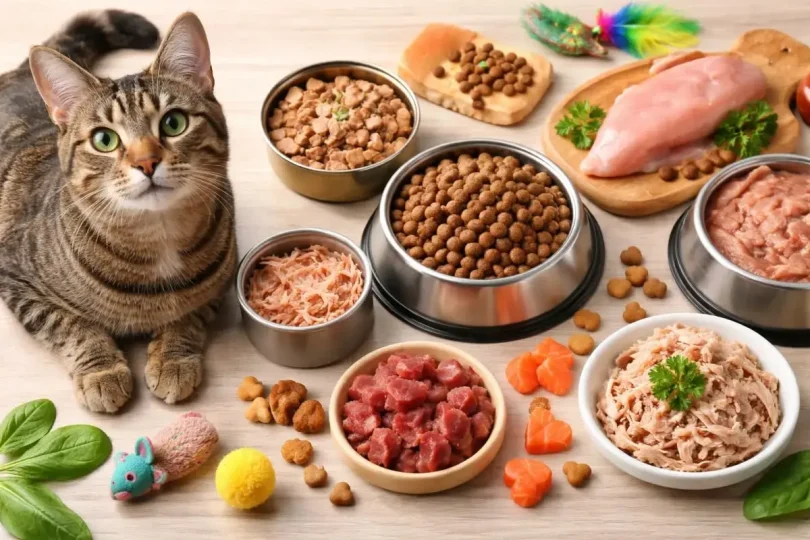
Healthy cat food can come in different forms such as dry kibble, wet canned food, or raw diets. Each type has its own benefits, but the key factor is nutritional quality rather than form. The food must provide taurine, an essential amino acid that cats cannot produce on their own.
In simple terms, healthy cat food is any diet that keeps your cat physically strong, mentally active, and free from diet-related diseases. It supports shiny fur, good digestion, strong muscles, and a healthy immune system.
Why is Healthy Cat Food Important?

Providing healthy cat food is essential because it directly affects your cat’s lifespan and quality of life. Poor nutrition can lead to serious health issues, while a balanced diet can help prevent many diseases.
One of the main reasons healthy cat food is important is because cats are strict carnivores. They require animal-based protein to survive. Plant-based diets alone cannot meet their nutritional needs. Without proper nutrients, cats may suffer from weakness, poor growth, or organ problems.
Healthy food also supports a strong immune system. When cats receive proper nutrition, their bodies can fight infections more effectively. This reduces the risk of frequent illnesses and veterinary visits.
Another important factor is weight control. Many indoor cats become overweight due to poor diet and lack of activity. Healthy cat food helps maintain an ideal weight, preventing obesity-related diseases like diabetes and joint issues.
In addition, proper nutrition improves coat condition, energy levels, and digestion. A well-fed cat is more active, playful, and emotionally balanced. This makes healthy cat food an essential part of responsible pet ownership.
Detailed Step-by-Step Guide to Choosing Healthy Cat Food
Step 1: Check Protein Quality
The first step is to check the protein source. Always choose cat food that lists real meat like chicken, fish, or beef as the first ingredient. Protein is the most important part of a cat’s diet.
Step 2: Look for Essential Nutrients
Ensure the food contains taurine, omega-3 fatty acids, vitamins A, D, and E, and minerals like calcium and phosphorus. These nutrients support heart health, vision, and bone strength.
Step 3: Avoid Harmful Fillers
Avoid products with too much corn, wheat, or soy. These ingredients are often used as cheap fillers and provide little nutritional value for cats.
Step 4: Choose Between Wet and Dry Food
Wet food helps with hydration and is easier to digest, while dry food is convenient and supports dental health. A balanced mix of both is often recommended.
Step 5: Consider Age and Health Condition
Kittens, adult cats, and senior cats have different nutritional needs. Always select food according to your cat’s age and health condition.
Step 6: Check for Artificial Additives
Avoid artificial colors, flavors, and preservatives. Natural ingredients are always safer and healthier for long-term consumption.
Benefits of Healthy Cat Food
- Improves overall immunity and reduces illness risk
- Supports strong muscles and healthy body growth
- Enhances coat shine and skin health
- Maintains healthy weight and prevents obesity
- Improves digestion and reduces stomach issues
- Increases energy levels and daily activity
- Supports heart, kidney, and eye health
- Promotes longer lifespan and better quality of life
Disadvantages / Risks of Poor Cat Food
- Can lead to obesity and diabetes
- Causes digestive problems like vomiting or diarrhea
- Weakens immune system over time
- Results in dull coat and skin issues
- May cause kidney or urinary diseases
- Leads to low energy and inactivity
- Increases vet expenses due to health complications
- Can shorten overall lifespan of the cat
Common Mistakes to Avoid
Many cat owners unknowingly make mistakes when choosing food for their pets. One common mistake is feeding only dry food without considering hydration needs. Cats naturally have low thirst drive, so wet food is important.
Another mistake is assuming expensive food is always better. Price does not always guarantee quality. Always check ingredients instead of relying on branding.
Overfeeding is also a major issue. Even healthy cat food can lead to weight gain if given in excessive amounts. Portion control is essential.
Some owners also feed human food to cats regularly, which can be harmful. Foods like chocolate, onions, and spicy meals are dangerous for cats.
Ignoring age-specific nutrition is another mistake. Kittens need more protein and calories, while senior cats need lighter diets.
FAQs
1. What is the best healthy cat food?
The best healthy cat food contains high-quality animal protein, taurine, and essential nutrients without artificial fillers or preservatives.
2. Can cats eat only dry food?
Yes, but it is not ideal. A combination of wet and dry food is better for hydration and overall health.
3. How often should I feed my cat?
Adult cats are usually fed 2 times a day, while kittens may need 3–4 small meals daily.
4. Is homemade cat food safe?
Yes, but it must be carefully balanced with proper nutrients. Otherwise, it may lead to deficiencies.
5. What ingredients should I avoid in cat food?
Avoid artificial additives, excessive grains, by-products, and harmful preservatives.
6. How do I know if my cat is eating healthy food?
A healthy cat has a shiny coat, good energy, normal weight, and smooth digestion.
Expert Tips & Bonus Points
Experts recommend gradually changing your cat’s diet instead of switching suddenly. Sudden changes can cause stomach upset. Always introduce new food slowly over 7–10 days.
Provide fresh water at all times, especially if your cat eats dry food. Hydration is essential for kidney health.
Rotate protein sources occasionally, such as chicken, fish, and turkey, to provide variety and balanced nutrition.
Monitor your cat’s weight regularly. Small changes in weight can indicate dietary issues early.
Consult a veterinarian before making major diet changes, especially if your cat has health conditions.
Conclusion
Healthy cat food is the foundation of a long, happy, and active life for your feline companion. It is not just about feeding your cat; it is about providing the right nutrition that supports every aspect of their health.
A well-balanced diet improves immunity, energy levels, coat quality, and overall behavior. On the other hand, poor-quality food can lead to serious health problems and reduce lifespan.
As a responsible cat owner, it is important to carefully choose food based on ingredients, nutritional value, and your cat’s individual needs. Avoid shortcuts and always prioritize quality over price.
By following the guidelines shared in this article, you can make better decisions for your pet’s diet. Healthy cat food is an investment in your cat’s future, ensuring they stay active, strong, and happy for many years.