
Introduction
Keeping a pet clean is one of the most important parts of responsible pet ownership. Many people focus on food, toys, and exercise, but hygiene often gets ignored until a problem appears. Good hygiene habits help pets stay healthy, comfortable, and active. They also reduce bad odors, infections, allergies, and other health issues that can affect both pets and owners.
Whether you own a playful dog, a calm cat, or another small animal, maintaining proper cleanliness should be part of your daily routine. Basic pet hygiene tips can make a huge difference in your pet’s quality of life. Clean fur, trimmed nails, healthy ears, and fresh teeth are not only important for appearance, but also for overall health and safety.
Many beginners believe pet grooming is difficult or expensive. However, with the right knowledge and simple routines, you can handle most hygiene tasks at home. Regular brushing, bathing, and cleaning help prevent common problems before they become serious.
This guide explains everything you need to know about pet hygiene tips in a simple and beginner-friendly way. You will learn practical methods, common mistakes, important benefits, and expert advice to help your furry friend stay fresh and healthy every day.
What is Pet Hygiene Tips?
Pet hygiene tips are simple practices and routines that help keep pets clean, healthy, and free from harmful bacteria, parasites, and infections. These habits include grooming, bathing, nail trimming, dental care, ear cleaning, and maintaining a clean environment.
Proper hygiene is important for all pets regardless of breed, size, or age. Clean pets feel more comfortable and usually have fewer medical problems. Hygiene routines also improve the bond between owners and pets because animals feel relaxed and cared for.
Pet hygiene does not only involve physical cleaning. It also includes maintaining clean food bowls, fresh water, sanitized bedding, and a safe living environment. A clean pet and a clean home work together to support better health.
Following effective pet hygiene tips regularly can help reduce shedding, itching, skin irritation, fleas, ticks, and unpleasant smells. It also helps owners notice health problems early, including skin infections, lumps, or injuries.
Why is Pet Hygiene Important?
Good hygiene plays a major role in a pet’s physical and emotional well-being. Pets cannot maintain their cleanliness completely on their own, especially domestic animals that live indoors.
Here are some important reasons why hygiene matters:
- Prevents skin infections and irritation
- Reduces bad odors in the home
- Controls fleas, ticks, and parasites
- Keeps teeth and gums healthy
- Improves fur and coat quality
- Supports better physical comfort
- Helps detect health problems early
- Protects family members from bacteria and allergens
Dirty pets often experience discomfort, itching, and stress. Poor hygiene can also lead to serious health conditions such as ear infections, gum disease, or painful matting in fur.
Regular cleaning and grooming improve circulation and help pets feel calmer. In many cases, pets that receive proper care become more social and energetic.
Good hygiene also creates a cleaner environment for everyone in the household. Clean bedding, litter areas, and feeding spaces reduce the spread of germs and unpleasant smells.
Detailed Step-by-Step Guide
Create a Regular Grooming Schedule
One of the best pet hygiene tips is to follow a consistent grooming routine. Pets become comfortable with grooming when it happens regularly.
Make a weekly schedule for brushing, bathing, nail trimming, and ear cleaning. Long-haired pets may require daily brushing, while short-haired pets need less frequent grooming.
Consistency helps prevent dirt buildup and makes each session easier for both the pet and the owner.
Brush Your Pet Properly
Brushing removes loose hair, dirt, and dead skin from the coat. It also improves blood circulation and keeps fur smooth.
Choose a brush suitable for your pet’s coat type. Use gentle strokes and avoid pulling tangled hair.
Benefits of regular brushing include:
- Reduced shedding
- Healthier skin
- Fewer hairballs in cats
- Improved coat shine
- Better bonding time
Pets with thick coats should be brushed more frequently to prevent painful mats.
Bathe Your Pet Carefully
Bathing is essential, but excessive washing can damage the skin. Use pet-friendly shampoo because human products may irritate animal skin.
Before bathing:
- Brush the coat properly
- Prepare lukewarm water
- Gather towels and shampoo
- Keep the pet calm
During the bath, gently massage shampoo into the fur while avoiding the eyes and ears. Rinse completely to remove all soap residue.
Most dogs need a bath every four to six weeks, depending on activity level and coat type. Cats usually clean themselves but may need occasional bathing if they become very dirty.
Keep Ears Clean
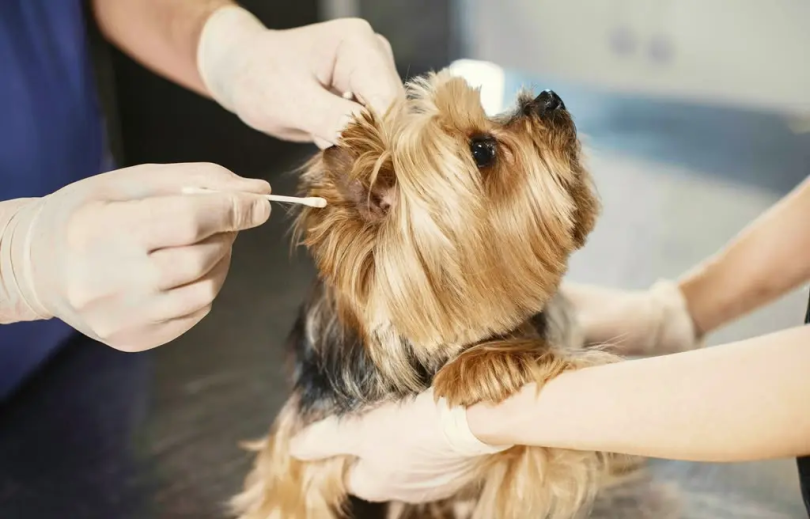
Dirty ears can lead to infections and discomfort. Check your pet’s ears weekly for redness, swelling, odor, or excess wax.
Use a soft cotton pad and veterinarian-approved ear cleaner. Never insert objects deeply into the ear canal.
Signs of ear problems include:
- Frequent scratching
- Head shaking
- Bad smell
- Discharge
- Sensitivity to touch
Early cleaning and monitoring help prevent serious infections.
Maintain Dental Hygiene
Dental care is one of the most ignored pet hygiene tips, but it is extremely important.
Poor dental hygiene can cause:
- Bad breath
- Gum disease
- Tooth loss
- Difficulty eating
- Bacterial infections
Brush your pet’s teeth using a pet-safe toothbrush and toothpaste. Start slowly and reward calm behavior.
Dental chews and toys can also help reduce plaque buildup. Regular dental checks from a veterinarian are useful for long-term oral health.
Trim Nails Safely
Overgrown nails can cause pain and affect walking posture. Long nails may also break or get stuck in carpets and furniture.
Use proper pet nail clippers and trim only the sharp tip. Avoid cutting too deeply because it may cause bleeding.
If your pet becomes nervous, trim one or two nails at a time and offer treats afterward.
Regular nail trimming keeps pets comfortable and prevents joint stress.
Clean Eyes Gently
Some pets develop tear stains or discharge around the eyes. Use a soft damp cloth to wipe away dirt carefully.
Always clean from the inside corner outward. If you notice redness, swelling, or heavy discharge, contact a veterinarian.
Keeping the eye area clean improves comfort and prevents irritation.
Wash Bedding and Toys
A clean environment is just as important as a clean pet. Dirty bedding and toys can hold bacteria, hair, and parasites.
Wash blankets, cushions, and soft toys regularly using mild detergent. Hard toys should also be cleaned and disinfected.
Clean feeding bowls daily to prevent bacterial growth.
Maintain a Clean Litter or Toilet Area
Cats require a clean litter box to stay comfortable and healthy. Dogs also need clean outdoor toilet areas.
Scoop litter daily and replace it completely every week. Dirty litter boxes may cause stress and behavioral problems.
For dogs, clean waste areas regularly to reduce odor and bacteria.
Protect Against Fleas and Ticks
Fleas and ticks can create serious health issues for pets. They may cause itching, allergies, infections, and disease transmission.
Use veterinarian-recommended preventive treatments and inspect your pet’s fur regularly.
Vacuum carpets, clean furniture, and wash bedding to reduce the risk of infestation.
Provide Healthy Nutrition
Healthy skin and fur begin with proper nutrition. A balanced diet supports coat quality, strong nails, and overall immunity.
Always provide fresh water and nutritious food suitable for your pet’s age and breed.
Foods rich in vitamins, protein, and omega fatty acids support healthier skin and a shinier coat.
Benefits of Pet Hygiene Tips
Following proper hygiene routines offers many advantages for both pets and owners.
- Improves overall health and comfort
- Prevents infections and parasites
- Reduces unpleasant odors
- Creates a cleaner home environment
- Supports healthy skin and coat
- Helps detect medical problems early
- Increases pet confidence and happiness
- Reduces shedding and hair buildup
- Protects family members from germs
- Strengthens the bond between owner and pet
Healthy hygiene habits also save money because preventing problems is usually cheaper than treating illnesses later.
Disadvantages / Risks
Although hygiene is important, improper methods can create problems.
- Overbathing may dry out the skin
- Harsh shampoos can cause irritation
- Improper nail trimming may cause injury
- Excessive ear cleaning may damage the ear canal
- Poor grooming tools can hurt sensitive skin
- Forced grooming may create fear and anxiety
The key is to use safe products, gentle handling, and proper techniques.
Common Mistakes to Avoid
Many pet owners unintentionally make mistakes during grooming and cleaning.
Ignoring Regular Brushing
Skipping brushing allows fur to mat and trap dirt. Mats can become painful and difficult to remove.
Using Human Products
Human shampoo and toothpaste are not designed for pets. These products may contain harmful ingredients.
Bathing Too Frequently
Too many baths strip natural oils from the skin, causing dryness and irritation.
Forgetting Dental Care
Many owners ignore oral hygiene until serious dental disease appears.
Cutting Nails Too Short
Trimming nails too deeply can hurt the pet and create fear during future grooming.
Neglecting the Living Environment
Even a clean pet can become unhealthy in a dirty environment. Bedding, toys, bowls, and litter areas must stay clean.
Not Checking for Parasites
Fleas and ticks often go unnoticed in early stages. Regular inspections are important.
Forcing Nervous Pets
Pets need patience and positive reinforcement during grooming sessions.
FAQs
How often should I bathe my pet?
Most dogs need bathing every four to six weeks. Cats usually require less frequent bathing unless they become dirty or have medical conditions.
Can I use human shampoo on pets?
No. Human shampoo may irritate your pet’s skin because animals have different skin pH levels. Always use pet-safe products.
What are the signs of poor pet hygiene?
Common signs include bad odor, dirty ears, excessive scratching, tangled fur, dental problems, and visible parasites.
How can I keep my pet calm during grooming?
Use gentle handling, speak calmly, offer treats, and keep sessions short in the beginning. Positive experiences help pets feel relaxed.
Why is dental hygiene important for pets?
Dental hygiene prevents gum disease, bad breath, tooth loss, and infections that may affect other organs.
How do I prevent fleas and ticks?
Use preventive treatments recommended by a veterinarian, clean the home regularly, and inspect your pet’s fur often.
Is professional grooming necessary?
Professional grooming can help with difficult tasks, especially for long-haired breeds. However, many basic hygiene practices can be done at home.
What should I do if my pet hates grooming?
Start slowly, use rewards, and introduce one grooming activity at a time. Patience and consistency usually improve cooperation.
Expert Tips & Bonus Points
Experienced pet owners understand that small daily habits create long-term benefits.
Here are some expert pet hygiene tips:
- Start grooming routines when pets are young
- Use rewards after each grooming session
- Keep grooming tools clean and organized
- Inspect skin regularly for lumps or irritation
- Brush teeth several times each week
- Dry pets properly after bathing
- Choose food that supports coat health
- Keep vaccination and parasite treatments updated
- Use separate towels for pets
- Monitor changes in behavior or appearance
Another useful tip is to create a relaxing grooming environment. Soft talking, calm movements, and short sessions help pets feel safe.
You should also adjust hygiene routines according to the season. Pets may shed more during warm weather and require extra brushing.
Senior pets often need additional care because aging can affect skin, mobility, and dental health.
Owners who follow these advanced habits usually notice healthier coats, cleaner homes, and happier pets.
Conclusion
Good hygiene is one of the foundations of responsible pet care. Clean pets are healthier, more comfortable, and often more active. Simple routines such as brushing, bathing, nail trimming, and dental cleaning can prevent many common health problems before they become serious.
Following proper pet hygiene tips does not require expensive tools or professional experience. With patience, consistency, and the right products, most owners can maintain excellent hygiene routines at home. Small daily habits create long-term improvements in your pet’s quality of life.
A clean environment also plays an important role. Fresh bedding, sanitized bowls, and clean litter areas reduce germs and improve comfort for both pets and family members.