
Introduction
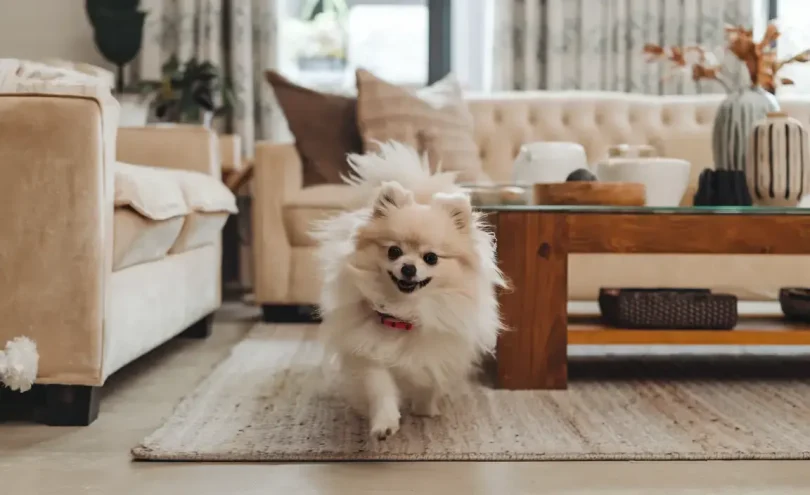
Small dog breeds are among the most popular pets worldwide because of their compact size, friendly nature, and adaptability to different living environments. Whether you live in a small apartment or a large house, these dogs can easily fit into your lifestyle without requiring excessive space. Many people prefer small dog breeds due to their manageable grooming needs, affectionate behavior, and portability.
In today’s fast-paced world, families and individuals look for pets that are easy to care for yet emotionally rewarding. Small dog breeds offer exactly that balance. From playful companions to calm lap dogs, they come in a variety of personalities and temperaments. This makes it easier for owners to choose a dog that matches their lifestyle and expectations.
Another reason for their popularity is their suitability for first-time pet owners. They are generally easier to train, less intimidating in size, and often more adaptable to indoor living. However, like all pets, they require proper care, training, and attention to stay healthy and happy. In this guide, you will learn everything about small dog breeds, including their importance, benefits, care tips, and expert advice to help you make the right choice.
What is Small Dog Breeds?
Small dog breeds refer to dog types that typically weigh under 22 pounds and stand under 16 inches in height. These dogs are bred specifically for companionship, agility, and indoor living. Unlike larger breeds, they require less physical space, making them ideal for urban environments.
Small dog breeds include a wide variety of types such as toy breeds, miniature breeds, and compact companion dogs. Some are energetic and playful, while others are calm and affectionate lap dogs. Despite their size, many small dogs have bold personalities and strong loyalty toward their owners.
These dogs are known for their adaptability and can easily adjust to different households, whether single owners, couples, or families with children. Their size also makes them easier to transport, which is one of the reasons travelers often prefer them as pets.
Why is Small Dog Breeds Important?

Small dog breeds play an important role in modern pet ownership because they provide companionship without demanding excessive space or maintenance. They are especially important for people living in apartments or urban areas where space is limited.
Another key importance of small dog breeds is emotional support. Many of these dogs form strong bonds with their owners and help reduce stress, anxiety, and loneliness. Their affectionate nature makes them excellent therapy and emotional support animals.
Additionally, small dogs are often more affordable in terms of food and maintenance compared to larger breeds. This makes pet ownership more accessible to a wider range of people. Their long lifespan also means they can be lifelong companions, offering consistent emotional connection and loyalty.
Detailed Step-by-Step Guide
Choosing the Right Breed
Selecting the right small dog breeds depends on your lifestyle, activity level, and living space. Some breeds are energetic and require regular exercise, while others prefer a calm indoor environment.
Understanding Temperament
Before adopting, it is important to understand the temperament of the breed. Some small dogs are independent, while others are highly social and require constant attention.
Preparing Your Home
Make your home safe and comfortable for your dog. Remove hazards, create a sleeping area, and provide essential items like food bowls, toys, and a leash.
Training and Socialization
Training should start early. Basic commands like sit, stay, and come are essential. Socializing your dog with people and other animals helps improve behavior.
Feeding and Nutrition
Provide high-quality dog food suitable for small breeds. Avoid overfeeding, as small dogs are prone to obesity.
Regular Veterinary Care
Routine check-ups, vaccinations, and dental care are essential to keep your dog healthy.
Benefits of Small Dog Breeds
- Ideal for apartment living and small spaces
- Easy to carry and travel with
- Lower food and maintenance costs
- Strong emotional bonding with owners
- Longer lifespan compared to many large breeds
- Suitable for first-time pet owners
- Require less physical exercise
- Variety of personalities and temperaments
Disadvantages / Risks
- Some breeds are prone to health issues like dental problems
- Can develop separation anxiety if left alone too often
- May be fragile and prone to injuries due to small size
- Training can be challenging in stubborn breeds
- Barking tendencies in certain breeds
- Require regular grooming depending on breed type
Common Mistakes to Avoid
Many new owners make mistakes when caring for small dog breeds. One common mistake is overfeeding, which leads to obesity and health problems. Another mistake is neglecting training because of their small size.
Some owners also fail to socialize their dogs early, which can lead to fear or aggression toward strangers. Ignoring dental care is another major issue, as small dogs are more prone to dental diseases.
Lastly, treating them like toys instead of real pets can affect their behavior and emotional health. Proper care, structure, and respect are essential for raising a well-balanced dog.
FAQs
1. What are the best small dog breeds for beginners?
Breeds like Pug, Shih Tzu, and Maltese are great for beginners due to their friendly nature and easy care requirements.
2. Do small dog breeds need less exercise?
Yes, most small dogs require less exercise compared to large breeds, but daily walks are still important for their health.
3. Are small dogs good with children?
Many small dog breeds are good with children, but supervision is necessary to avoid accidental injuries due to their size.
4. How long do small dog breeds live?
On average, small dogs live between 12 to 16 years, with some living even longer depending on care and genetics.
5. Do small dogs bark more?
Some small breeds are naturally more vocal, but proper training can reduce excessive barking.
6. What is the easiest small dog to train?
Breeds like Cavalier King Charles Spaniel and Poodle mixes are considered easy to train due to their intelligence.
Expert Tips & Bonus Points
Choosing the right small dog breeds requires careful planning. Always research before adoption and consider your daily routine. Provide mental stimulation through toys and interactive games to keep your dog active and happy.
Consistency in training is key. Even small dogs need discipline and structure to behave properly. Reward-based training works best for most breeds.
Regular grooming is also important, especially for long-haired small dogs. It prevents skin issues and keeps them clean and healthy. Lastly, always give your dog attention and affection, as small breeds thrive on companionship.
Conclusion
Small dog breeds are one of the best choices for individuals and families looking for a loving and manageable pet. Their compact size, affectionate nature, and adaptability make them suitable for almost any living environment. Whether you live in a small apartment or a large home, these dogs can easily become a part of your daily life.
Understanding their needs is essential for responsible ownership. From proper training to balanced nutrition, every aspect plays a role in their health and happiness. While they may be small in size, their love and loyalty are incredibly big.
By choosing the right breed and providing proper care, you can enjoy a long-lasting and fulfilling relationship with your pet. Small dog breeds are not just pets; they are lifelong companions that bring joy, comfort, and emotional support into your life.