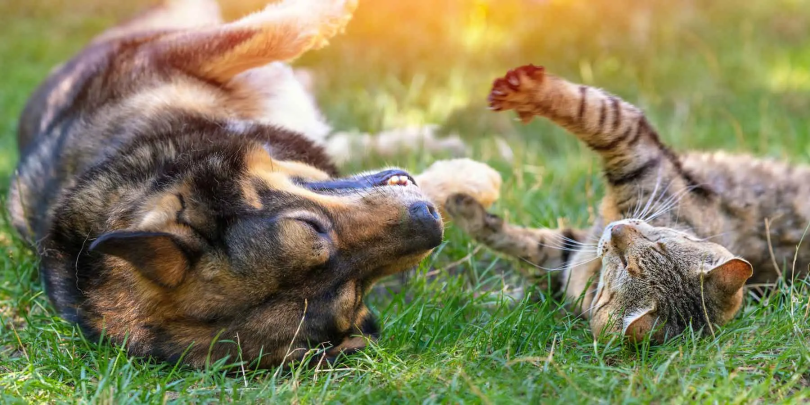

Introduction
Pets are more than just animals living in our homes. They become part of the family and bring happiness, comfort, and emotional support to our daily lives. Whether you own a playful dog, a calm cat, a colorful bird, or a small rabbit, every pet deserves proper care and attention. Good pet care tips can help owners create a safe, healthy, and loving environment for their furry or feathered companions.
Many beginners think pet care is only about feeding food and providing shelter. However, proper care involves nutrition, exercise, grooming, training, emotional bonding, regular health checkups, and cleanliness. When pets receive the right care, they live longer and stay healthier. At the same time, owners also enjoy a stronger relationship with their pets.
Understanding your pet’s needs is the first step toward responsible ownership. Different animals require different levels of care, but some basic principles apply to all pets. Clean water, healthy food, daily exercise, hygiene, affection, and medical attention are essential for every animal.
What is Pet Care Tips?
Pet care tips are practical guidelines and methods that help owners take proper care of their pets. These tips include feeding routines, grooming habits, health care practices, training methods, exercise routines, and safety precautions. The purpose of these tips is to improve the overall well-being of animals and strengthen the bond between pets and owners.
Every pet has unique needs depending on its species, breed, age, and health condition. For example, dogs require daily walks and training, while cats need clean litter boxes and mental stimulation. Birds need spacious cages and social interaction, while fish require clean tanks and balanced water conditions.
Good pet care also involves understanding animal behavior. Pets often communicate through body language, sounds, and habits. Recognizing signs of stress, fear, or illness can help owners respond quickly and prevent serious problems.
Following proper pet care tips not only improves physical health but also supports emotional stability. A well-cared-for pet is usually more friendly, energetic, and loyal. Responsible care creates a safe and positive environment where pets can grow comfortably and happily.
Why is Pet Care Important?

Proper pet care is important because it directly affects the health, safety, and happiness of animals. Pets depend on humans for food, shelter, comfort, and medical support. Without proper care, pets may suffer from illness, stress, poor behavior, or emotional problems.
Healthy pets usually live longer lives. Nutritious food, regular exercise, and timely vaccinations help prevent many common diseases. Regular grooming also reduces skin infections and improves cleanliness.
Pet care is equally important for emotional reasons. Animals need love, attention, and interaction to stay mentally healthy. Lonely or neglected pets may become aggressive, anxious, or depressed. Spending quality time with pets builds trust and improves their behavior.
In addition, proper pet care protects the household environment. Clean pets and hygienic living spaces reduce the spread of bacteria, parasites, and unpleasant odors. Training pets also prevents destructive habits such as chewing furniture or scratching walls.
Responsible pet ownership teaches discipline and compassion. Children who grow up around properly cared-for pets often learn kindness, patience, and empathy. Therefore, following effective pet care tips benefits both animals and humans in many ways.
Detailed Step-by-Step Guide
Choose the Right Pet
Before bringing a pet home, consider your lifestyle, budget, and available space. Some pets need large areas and active routines, while others are easier to manage in small apartments.
Research different breeds and species carefully. For example:
- Dogs require outdoor activity and regular training.
- Cats are independent but still need affection.
- Birds need social interaction and mental stimulation.
- Fish require tank maintenance and water monitoring.
Choosing the right pet reduces stress for both the owner and the animal.
Provide Nutritious Food
Healthy nutrition is one of the most important pet care tips. Different animals require different types of food depending on age, size, and health condition.
Always provide:
- Fresh and clean water
- Balanced meals
- Proper portion sizes
- Age-appropriate food
Avoid feeding pets harmful human foods such as chocolate, onions, caffeine, grapes, and processed snacks. Overfeeding may lead to obesity and health problems.
Create a feeding schedule and maintain consistency every day. Pets feel more secure when they follow regular routines.
Maintain Proper Hygiene
Cleanliness is essential for preventing diseases and infections. Grooming routines should include:
- Brushing fur regularly
- Cleaning ears carefully
- Trimming nails
- Bathing when necessary
- Washing bedding and toys
Cats also require clean litter boxes daily. Bird cages and fish tanks should be cleaned regularly to maintain a healthy environment.
Good hygiene keeps pets comfortable and improves their appearance.
Schedule Regular Vet Visits
Routine veterinary checkups help detect health issues early. Vaccinations, dental care, and parasite control are important parts of preventive health care.
Take your pet to the veterinarian for:
- Annual checkups
- Vaccinations
- Flea and tick prevention
- Dental cleaning
- Weight monitoring
Watch for signs of illness such as loss of appetite, unusual behavior, vomiting, or tiredness. Early treatment can prevent serious complications.
Provide Daily Exercise
Exercise keeps pets physically active and mentally stimulated. Dogs usually need daily walks and playtime. Cats enjoy climbing, chasing toys, and interactive games.
Exercise helps:
- Maintain healthy weight
- Reduce stress
- Improve behavior
- Increase energy levels
- Prevent boredom
Lack of activity may cause obesity and destructive habits.
Train Your Pet Properly
Training improves communication between pets and owners. Basic commands and routines make pets easier to manage and safer around others.
Important training tips include:
- Use positive reinforcement
- Reward good behavior
- Be patient and consistent
- Avoid harsh punishment
- Keep sessions short and simple
Dogs can learn commands like sit, stay, and come. Cats can also learn routines and litter habits through gentle guidance.
Create a Safe Environment
A safe home prevents accidents and injuries. Remove dangerous items such as electrical wires, toxic plants, and sharp objects.
Make sure pets have:
- Comfortable sleeping areas
- Safe toys
- Proper ventilation
- Protection from extreme temperatures
Outdoor pets should always have secure spaces and identification tags.
Spend Quality Time Together
Pets need emotional connection and attention. Spending time together strengthens trust and improves mental well-being.
Activities may include:
- Playing games
- Grooming sessions
- Walking outdoors
- Teaching tricks
- Gentle cuddling
Emotional bonding helps pets feel secure and loved.
Benefits of Pet Care Tips
Following proper pet care tips offers many advantages for both pets and owners.
- Improves physical health
- Reduces risk of diseases
- Increases lifespan
- Supports emotional stability
- Encourages better behavior
- Strengthens owner-pet relationships
- Keeps the home cleaner
- Prevents obesity and stress
- Helps early disease detection
- Creates a happier lifestyle
Pets that receive proper care are generally more active, friendly, and comfortable around people.
Disadvantages / Risks
Ignoring proper pet care may create several problems.
- Poor nutrition may cause illness
- Lack of exercise can lead to obesity
- Dirty environments increase infections
- Neglect may create behavioral issues
- Delayed medical care can worsen diseases
- Unsafe homes may cause injuries
- Overfeeding may reduce lifespan
- Lack of training can create aggression
Understanding these risks encourages owners to take better responsibility for their animals.
Common Mistakes to Avoid
Many pet owners unintentionally make mistakes that affect their pets’ health and happiness. Avoiding these habits can improve overall care significantly.
Overfeeding
Giving too many treats or large meals can lead to obesity and digestive problems. Follow proper portion guidelines.
Ignoring Dental Care
Dental hygiene is often overlooked. Poor oral care may cause pain, infections, and bad breath.
Skipping Vaccinations
Missing vaccinations increases the risk of dangerous diseases. Always follow the recommended schedule.
Lack of Socialization
Pets need interaction with humans and other animals. Poor socialization may lead to fear and aggression.
Using Harsh Punishment
Aggressive training methods can damage trust and create anxiety. Positive reinforcement works better.
Neglecting Mental Stimulation
Pets need toys, games, and activities to stay mentally active. Boredom may lead to destructive behavior.
Ignoring Warning Signs
Changes in eating habits, sleeping patterns, or behavior may indicate illness. Early action is important.
FAQs
How often should I feed my pet?
Feeding schedules depend on the pet’s age, breed, and health. Most adult dogs and cats eat twice daily, while smaller pets may need more frequent meals. Always provide fresh water.
What are the best pet care tips for beginners?
Start with proper nutrition, hygiene, regular vet visits, exercise, and consistent routines. Spend time learning about your pet’s specific needs.
How can I keep my pet healthy?
Provide balanced food, regular exercise, vaccinations, clean living spaces, and emotional attention. Preventive care is very important.
Why is grooming necessary for pets?
Grooming removes dirt, loose hair, and parasites. It also improves comfort, appearance, and skin health while helping owners notice health problems early.
How much exercise does a pet need?
Exercise needs vary by species and breed. Active dogs may need one to two hours daily, while cats benefit from indoor play sessions.
What should I do if my pet stops eating?
Loss of appetite may indicate stress or illness. Monitor your pet closely and consult a veterinarian if the issue continues.
Can pets suffer from stress?
Yes, pets can experience stress due to changes in environment, loneliness, loud noises, or lack of attention. Signs include unusual behavior and appetite changes.
How often should pets visit the vet?
Most pets should visit the veterinarian at least once a year for routine checkups. Older pets or those with health conditions may need more frequent visits.
Expert Tips & Bonus Points
Experienced pet owners often follow additional methods to improve pet care and build stronger relationships.
- Maintain consistent daily routines
- Use healthy treats during training
- Rotate toys to reduce boredom
- Keep emergency contact numbers ready
- Learn basic pet first aid
- Monitor weight regularly
- Use comfortable bedding
- Provide mental enrichment activities
- Introduce new foods slowly
- Reward calm behavior
Another helpful tip is understanding your pet’s body language. Tail movement, posture, vocal sounds, and facial expressions often reveal emotions and needs. Observing these signs helps owners respond more effectively.
Technology can also support pet care. Automatic feeders, GPS collars, and health-tracking devices make monitoring easier for busy owners.
Creating a calm environment is equally important. Loud noise, sudden changes, and overcrowded spaces may increase anxiety in pets. A peaceful routine helps animals feel secure and relaxed.
Conclusion
Taking care of a pet is a long-term responsibility that requires patience, love, and consistency. Pets depend on humans for safety, food, comfort, and emotional support. By following practical pet care tips, owners can provide a healthy and enjoyable life for their companions.
Proper nutrition, regular exercise, grooming, training, and medical care are the foundation of responsible pet ownership. At the same time, emotional bonding and daily interaction help pets feel secure and valued. Small habits such as cleaning living spaces, maintaining routines, and observing behavior can make a huge difference in overall well-being.
Every pet is unique, so understanding individual needs is essential. Some pets require more activity, while others prefer calm environments. Learning about your animal’s personality and habits allows you to provide better care and prevent unnecessary stress.