
Introduction
Keeping a pet clean and healthy is one of the most important responsibilities of every pet owner. A proper pet grooming guide helps beginners and experienced owners understand how regular grooming improves the health, comfort, and happiness of pets. Grooming is not only about making your pet look attractive. It also protects them from skin infections, tangled fur, bad odor, and hidden health problems.
Many pet owners think grooming is difficult or expensive. However, with the right methods and tools, grooming can become a simple and enjoyable routine. Whether you have a dog, cat, rabbit, or another furry companion, proper care can make a huge difference in their daily life. Regular grooming also strengthens the bond between pets and owners because it creates trust and comfort.
This pet grooming guide explains everything you need to know in a beginner-friendly way. You will learn the meaning of pet grooming, why it matters, and how to groom your pet step by step. In addition, this guide covers grooming benefits, common mistakes, risks, FAQs, and expert tips to help you become more confident.
What is Pet Grooming?
Pet grooming is the process of cleaning and maintaining a pet’s body, fur, nails, ears, teeth, and overall hygiene. It includes several tasks such as brushing fur, bathing, nail trimming, ear cleaning, and checking for signs of illness or parasites.
Different animals require different grooming methods. For example, long-haired dogs need more brushing than short-haired dogs. Cats usually clean themselves, but they still benefit from regular brushing and nail care.
A complete pet grooming guide includes both basic home care and professional grooming services. Some owners prefer to groom their pets at home, while others visit professional groomers for advanced treatments.
Pet grooming is not limited to appearance alone. It also helps detect health issues early. During grooming, owners may notice skin rashes, cuts, fleas, ticks, or unusual lumps. Finding these problems early can prevent serious health conditions later.
Regular grooming schedules depend on factors such as breed, coat type, lifestyle, and age. Active outdoor pets usually need grooming more often because they collect dirt and debris easily.
Why is Pet Grooming Important?
A good pet grooming guide always focuses on the importance of grooming for long-term health and comfort. Grooming offers physical, emotional, and hygienic benefits for pets.
First, grooming keeps the skin and coat healthy. Brushing removes loose hair, dirt, and dead skin cells. It also spreads natural oils across the coat, making fur soft and shiny.
Second, grooming prevents painful matting and tangles. Long fur can become tangled if ignored for too long. Severe matting may cause skin irritation or infections.
Third, grooming helps owners identify health problems early. Ear infections, fleas, ticks, wounds, and skin conditions can often be noticed during regular grooming sessions.
Another important reason is comfort. Pets feel cleaner and lighter after proper grooming. Trimmed nails also help pets walk comfortably without pain.
Grooming also reduces shedding inside the home. Regular brushing removes loose fur before it falls on furniture or carpets.
Additionally, grooming improves the relationship between pets and owners. Calm grooming sessions create trust and reduce stress for animals over time.
Detailed Step-by-Step Guide
Step 1: Gather the Right Grooming Tools
Before starting, collect all the necessary grooming tools. Using proper equipment makes the process easier and safer.
Common grooming tools include:
- Brushes and combs
- Pet shampoo
- Nail clippers
- Towels
- Ear cleaning solution
- Toothbrush and pet toothpaste
- Grooming scissors
- Hair dryer for pets
Choose tools according to your pet’s breed and coat type. For example, slicker brushes work well for long-haired pets, while rubber brushes suit short-haired animals.
Step 2: Brush the Fur Properly
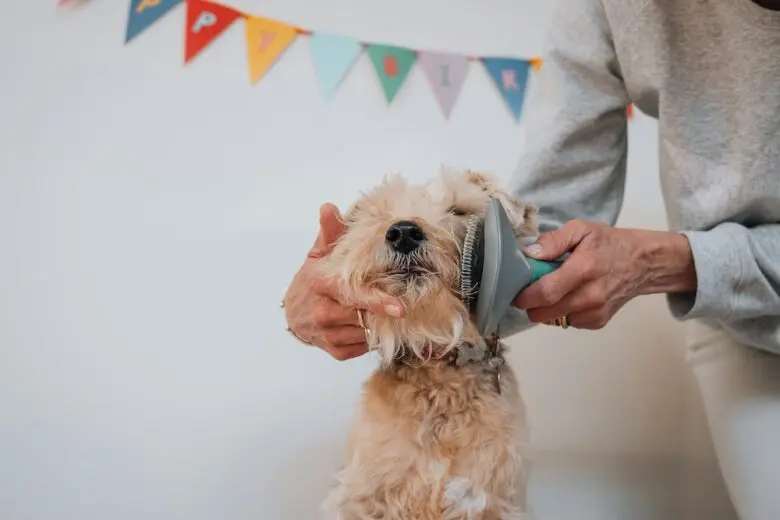
Brushing is one of the most important parts of any pet grooming guide. It removes dirt, loose fur, and tangles while improving blood circulation.
Start brushing gently from the head toward the tail. Be careful around sensitive areas such as the belly and legs.
Long-haired pets may need daily brushing, while short-haired pets can usually be brushed once or twice a week.
If you find tangled fur, avoid pulling harshly. Instead, use a detangling comb or grooming spray to loosen the knots slowly.
Regular brushing also helps reduce shedding and keeps the coat smooth and healthy.
Step 3: Bathe Your Pet Carefully
Bathing removes dirt, odors, and bacteria from your pet’s body. However, overbathing can dry the skin, so follow a balanced schedule.
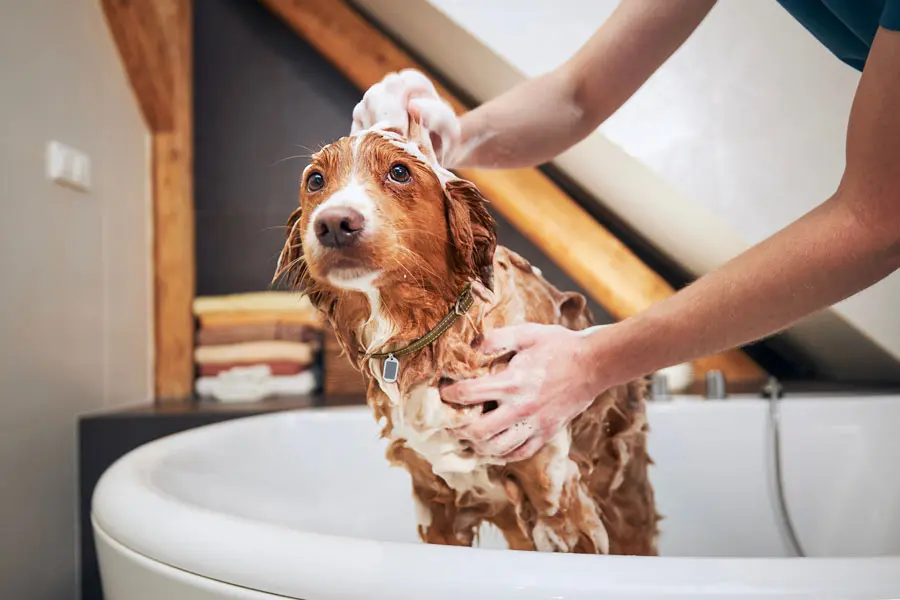
Use lukewarm water and pet-friendly shampoo. Human shampoos may damage a pet’s skin because their pH levels are different.
Wet the coat completely before applying shampoo. Massage gently and avoid getting soap into the eyes, ears, or nose.
Rinse thoroughly because leftover shampoo can irritate the skin.
After bathing, dry your pet using towels or a low-heat pet dryer. Ensure the fur is fully dry to prevent fungal infections.
Step 4: Trim the Nails Safely
Long nails can cause discomfort and affect walking posture. Therefore, nail trimming is an essential part of this pet grooming guide.
Use proper pet nail clippers and trim small portions at a time. Avoid cutting the quick, which contains blood vessels and nerves.
If your pet becomes nervous, stay calm and offer treats for encouragement.
Pets that walk regularly outdoors may naturally wear down their nails, but indoor pets often need more frequent trimming.
Step 5: Clean the Ears
Dirty ears can lead to infections, itching, and bad odor. Check your pet’s ears weekly for redness, wax buildup, or unusual smells.
Use a pet-safe ear cleaning solution and soft cotton pads. Never insert sharp objects or cotton swabs deeply into the ears.
Gently wipe the visible area and stop if your pet seems uncomfortable.
Some breeds with floppy ears may require extra ear care because moisture can become trapped easily.
Step 6: Maintain Dental Hygiene
Dental care is often ignored, but it is extremely important for pet health.
Brush your pet’s teeth using pet toothpaste and a soft toothbrush. Human toothpaste should never be used because it may contain harmful ingredients.
Regular brushing helps prevent plaque, gum disease, and bad breath.
Dental treats and chew toys can also support oral hygiene.
Step 7: Check the Eyes and Skin
Healthy eyes should appear bright and clean. Gently remove discharge using a damp cloth.
While grooming, examine the skin for rashes, cuts, bumps, fleas, or ticks.
If you notice unusual changes, contact a veterinarian for professional advice.
Step 8: Create a Grooming Routine
Consistency is very important in pet grooming.
Set a schedule based on your pet’s needs. For example:
- Daily brushing for long-haired breeds
- Weekly ear checks
- Monthly baths
- Regular nail trimming
- Frequent dental cleaning
Routine grooming keeps pets calm because they become familiar with the process over time.
Benefits of Pet Grooming
A proper pet grooming guide provides many advantages for pets and owners.
- Keeps the skin and coat healthy
- Reduces shedding and bad odor
- Prevents matting and tangles
- Helps detect health problems early
- Improves comfort and cleanliness
- Reduces the risk of infections
- Strengthens the bond between pets and owners
- Improves blood circulation through brushing
- Supports healthy nail growth
- Promotes better dental hygiene
- Reduces parasites like fleas and ticks
- Makes pets feel more relaxed and active
Regular grooming also improves the overall appearance of pets, making them look happier and healthier.
Disadvantages / Risks
Although grooming is beneficial, there are some risks if done incorrectly.
- Overbathing may dry out the skin
- Incorrect nail trimming can cause bleeding
- Harsh brushing may irritate sensitive skin
- Using human products can trigger allergies
- Poor drying after baths may lead to fungal infections
- Dirty grooming tools can spread bacteria
- Forcing nervous pets may create stress or fear
- Improper ear cleaning may damage the ear canal
These risks can be avoided by learning proper grooming techniques and staying patient.
Common Mistakes to Avoid
Many beginners make simple mistakes while following a pet grooming guide. Avoiding these errors can improve safety and comfort.
Skipping Regular Brushing
Some owners only brush pets occasionally. This often leads to tangled fur and heavy shedding.
Using Human Shampoo
Human shampoos may harm pet skin because animals have different skin sensitivities.
Ignoring Dental Care
Dental hygiene is commonly overlooked, but poor oral care can cause serious health problems.
Cutting Nails Too Short
Trimming too deeply can injure pets and create fear during future grooming sessions.
Bathing Too Frequently
Too many baths remove natural oils and may cause dry, itchy skin.
Forgetting Positive Reinforcement
Pets respond better when grooming is associated with treats, praise, and calm behavior.
Neglecting Grooming Tools
Dirty brushes and clippers can collect bacteria and reduce grooming effectiveness.
Rushing the Process
Fast or rough grooming may stress pets. Take your time and remain patient.
FAQs
1. How often should I groom my pet?
The grooming schedule depends on your pet’s breed, coat type, and activity level. Long-haired pets may need daily brushing, while short-haired pets usually require less frequent grooming.
2. Can I use human shampoo on my pet?
No, human shampoo is not recommended for pets. Pet skin has a different pH balance, and human products may cause irritation or dryness.
3. What should I do if my pet hates grooming?
Start slowly and keep sessions short. Use treats, toys, and praise to create positive experiences. Patience is very important.
4. Is professional grooming necessary?
Professional grooming is helpful for complex grooming tasks, thick coats, or difficult nail trimming. However, basic grooming can also be done at home.
5. How do I know if my pet has ear problems?
Signs include redness, bad odor, excessive scratching, swelling, or unusual discharge. A veterinarian should examine serious symptoms.
6. Why does my pet shed so much?
Shedding is natural for many animals. Regular brushing helps control loose fur and keeps the coat healthy.
7. What tools are essential for beginners?
Basic grooming tools include a brush, nail clippers, pet shampoo, towel, ear cleaner, and toothbrush.
8. Can grooming improve pet behavior?
Yes, regular grooming can make pets calmer because it creates trust, comfort, and routine.
Expert Tips & Bonus Points
Professional groomers often follow simple strategies that make grooming safer and easier.
Start Grooming Early
Introduce grooming habits while pets are young. Early training helps them feel comfortable during grooming sessions.
Use Rewards
Treats and praise encourage pets to stay calm and cooperative.
Keep Sessions Short
Long grooming sessions may stress nervous pets. Short and positive sessions work better.
Choose the Right Environment
Groom your pet in a quiet and comfortable place without distractions.
Watch for Skin Changes
Check for unusual bumps, redness, or hair loss during grooming.
Stay Calm and Gentle
Pets can sense frustration or stress from owners. Calm handling creates a safer experience.
Maintain Grooming Equipment
Clean and disinfect grooming tools regularly to prevent bacteria buildup.
Learn Breed-Specific Needs
Different breeds require different grooming techniques. Research your pet’s specific coat and hygiene needs.
Use Seasonal Grooming Adjustments
Pets may need more brushing during shedding seasons such as spring and summer.
Consult a Veterinarian When Needed
If your pet has skin allergies, infections, or severe matting, professional medical advice is important.
Conclusion
A proper pet grooming guide is essential for keeping pets healthy, comfortable, and happy. Grooming is much more than improving appearance because it supports hygiene, skin health, emotional comfort, and early health detection. From brushing and bathing to nail trimming and dental care, each grooming task plays an important role in your pet’s overall well-being.
Beginners often feel nervous about grooming, but regular practice makes the process easier over time. Patience, consistency, and the right tools are the keys to success. Positive grooming experiences also help build trust between pets and owners, creating a stronger relationship.
Following a regular grooming routine can reduce shedding, prevent infections, improve comfort, and maintain cleanliness inside the home. At the same time, avoiding common mistakes such as overbathing or rough brushing helps protect your pet from stress and injuries.